

AI Solution for Mammography

White FDA, CE, Health Canada Logo Strip

2D Mammography AI

Lunit INSIGHT® MMG

A second perspective for confident review.

AI support for radiologists in 2D mammography, providing additional insights to aid breast cancer detection.

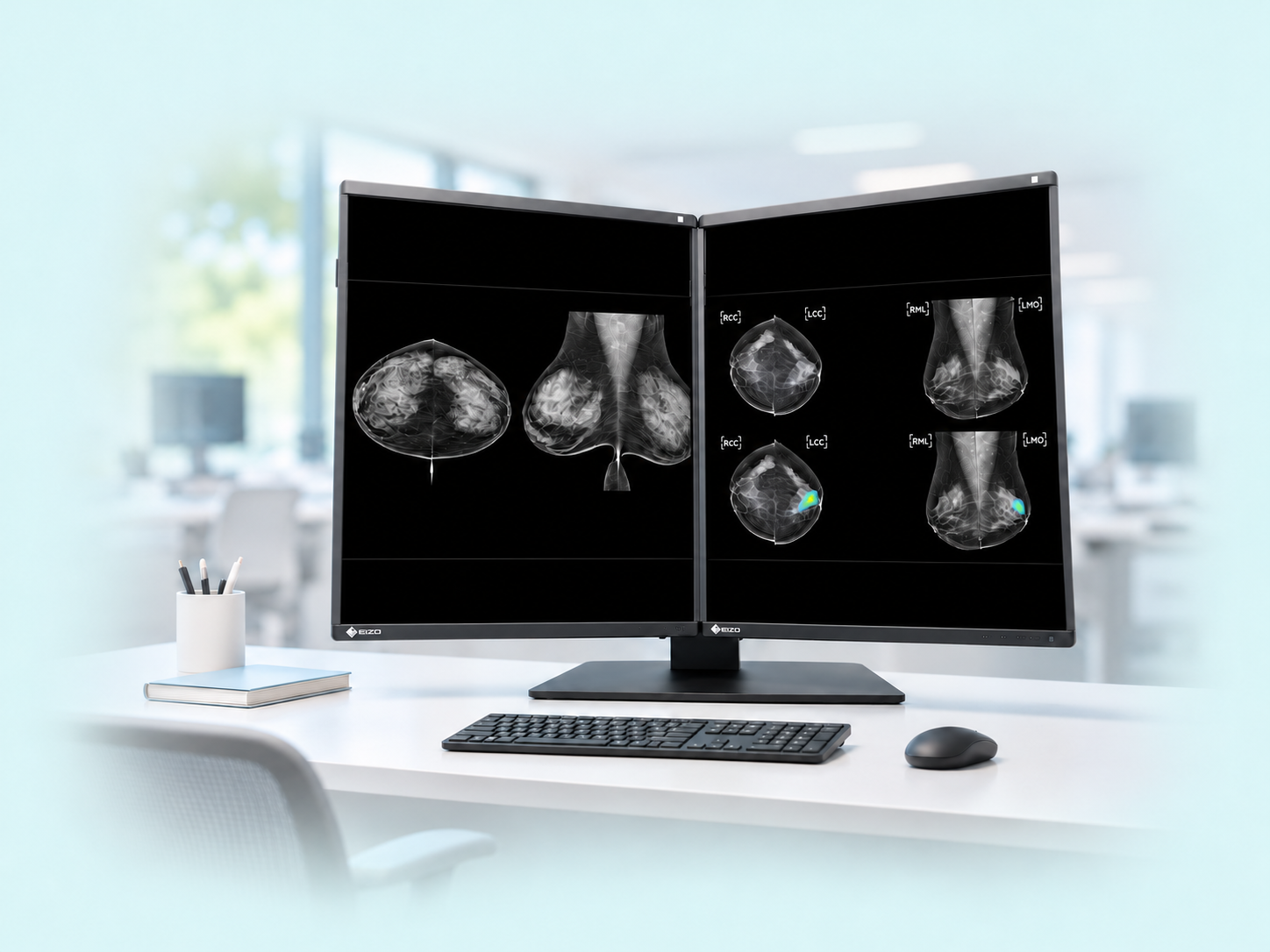
Illustrative EIZO monitor displaying mammography images

Study-specific findings

Clinical evidence at a glance.

Higher accuracy in extremely dense breasts*

Higher accuracy across density categories*

Earlier-detection potential in the cited study†

*Manufacturer summary of Kwon et al., Breast Cancer Research, 2024. †Nanaa et al., Radiology, 2024. Study-specific findings.

Clinical value

Greater insight.
More focused care.

AI insights support radiologists throughout mammography review—from assessing suspicious findings to making informed follow-up decisions.

  • A clearer view of suspicious findings

    Bring highlighted regions, malignancy likelihood scores and lesion classification into the review process to support your assessment.

  • Focus where it matters

    Direct attention to relevant areas of interest, helping reduce the mental demands of image review and support efficient interpretation.

  • Thoughtful follow-up. Less uncertainty.

    Support consistent interpretation and informed recall decisions, helping limit unnecessary follow-up and the anxiety it can bring.

Lunit INSIGHT MMG

AI support for earlier detection.

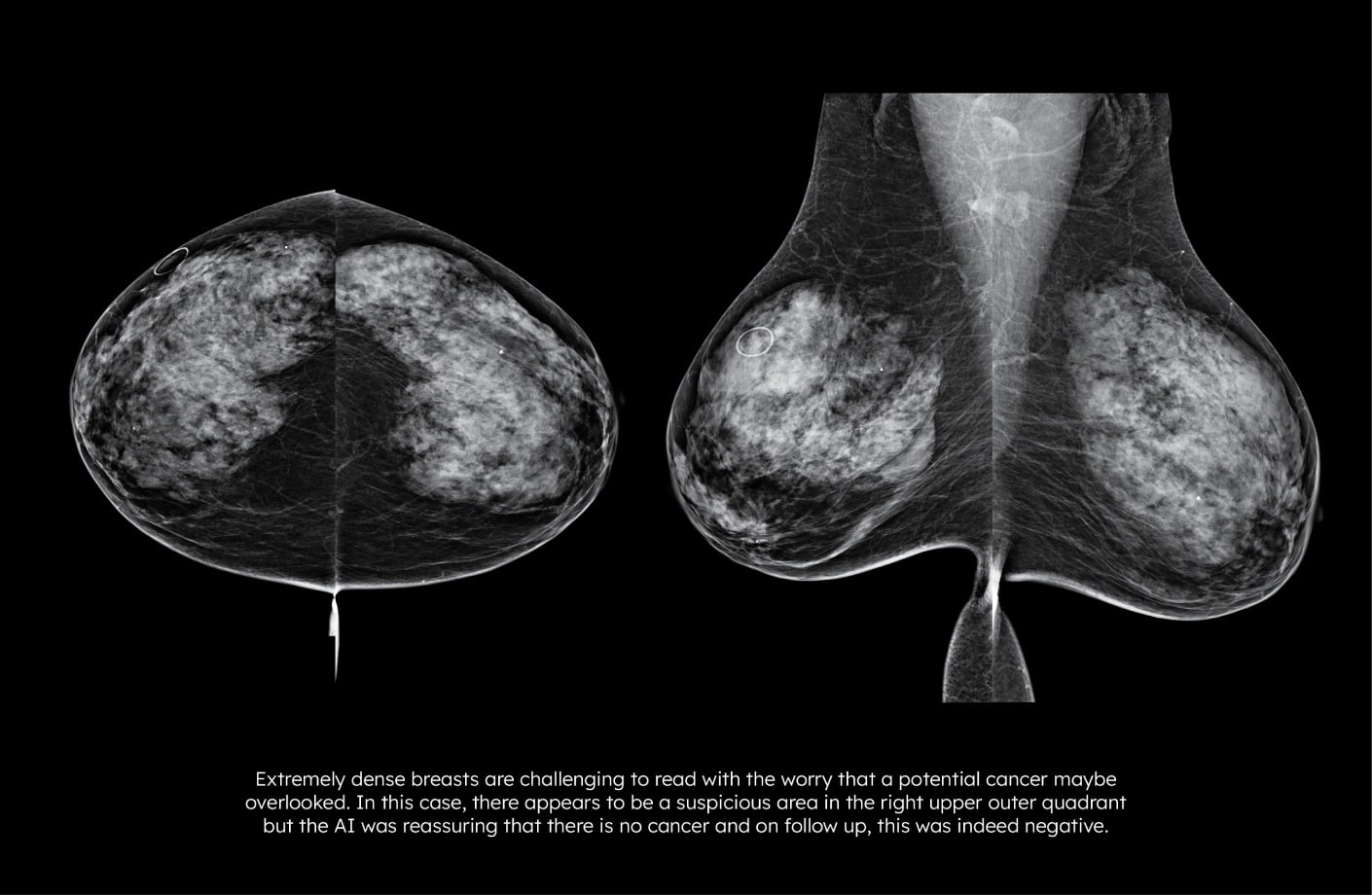
An additional AI perspective for 2D mammography, supporting the assessment of subtle findings in dense breast tissue and interval cancer cases.

PACS and viewer integration brings AI insights into image review to help shorten reading time. Single- and double-reading workflows support busy teams managing high workloads and limited specialist capacity.

Speak with an ARJ specialist
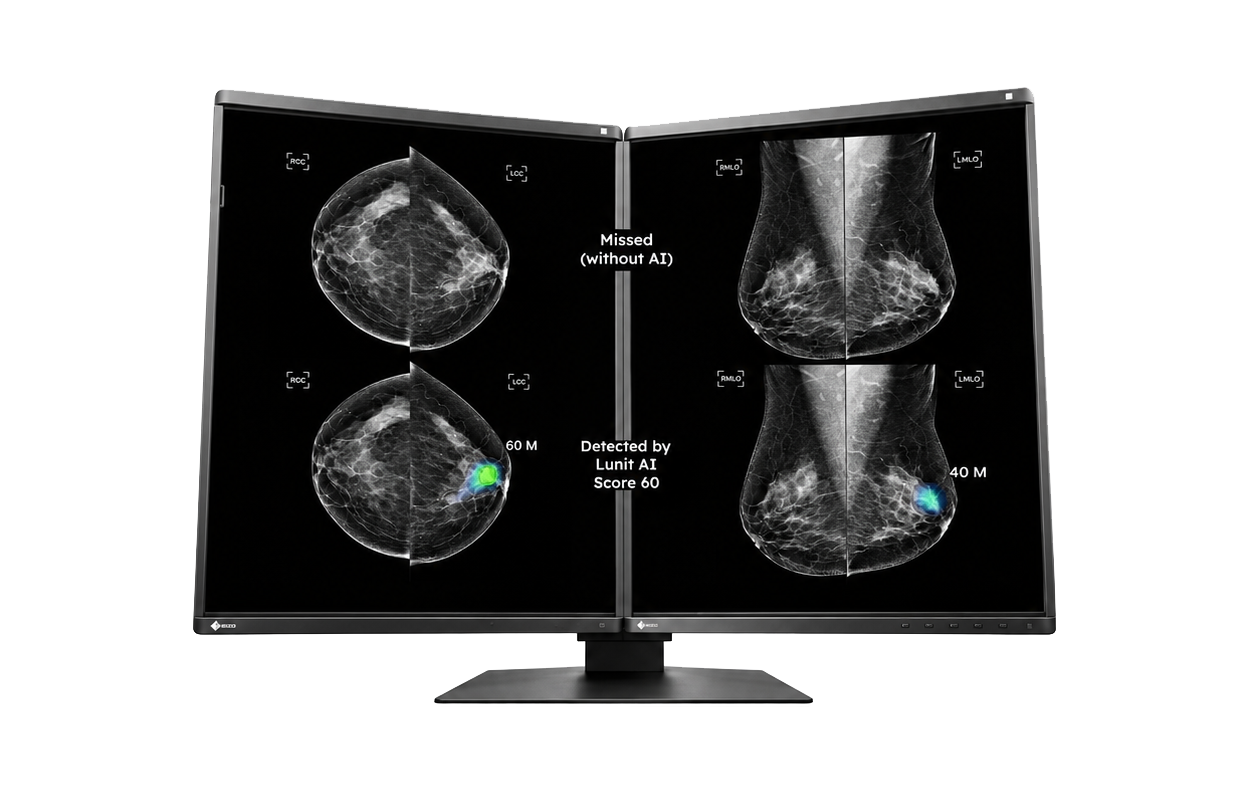
Illustrative EIZO dual-display workstation showing Lunit mammography case images

Clinical evidence

Evidence behind confident detection.

Independent research supporting mammography assessment.

JAMA Oncology · 2020
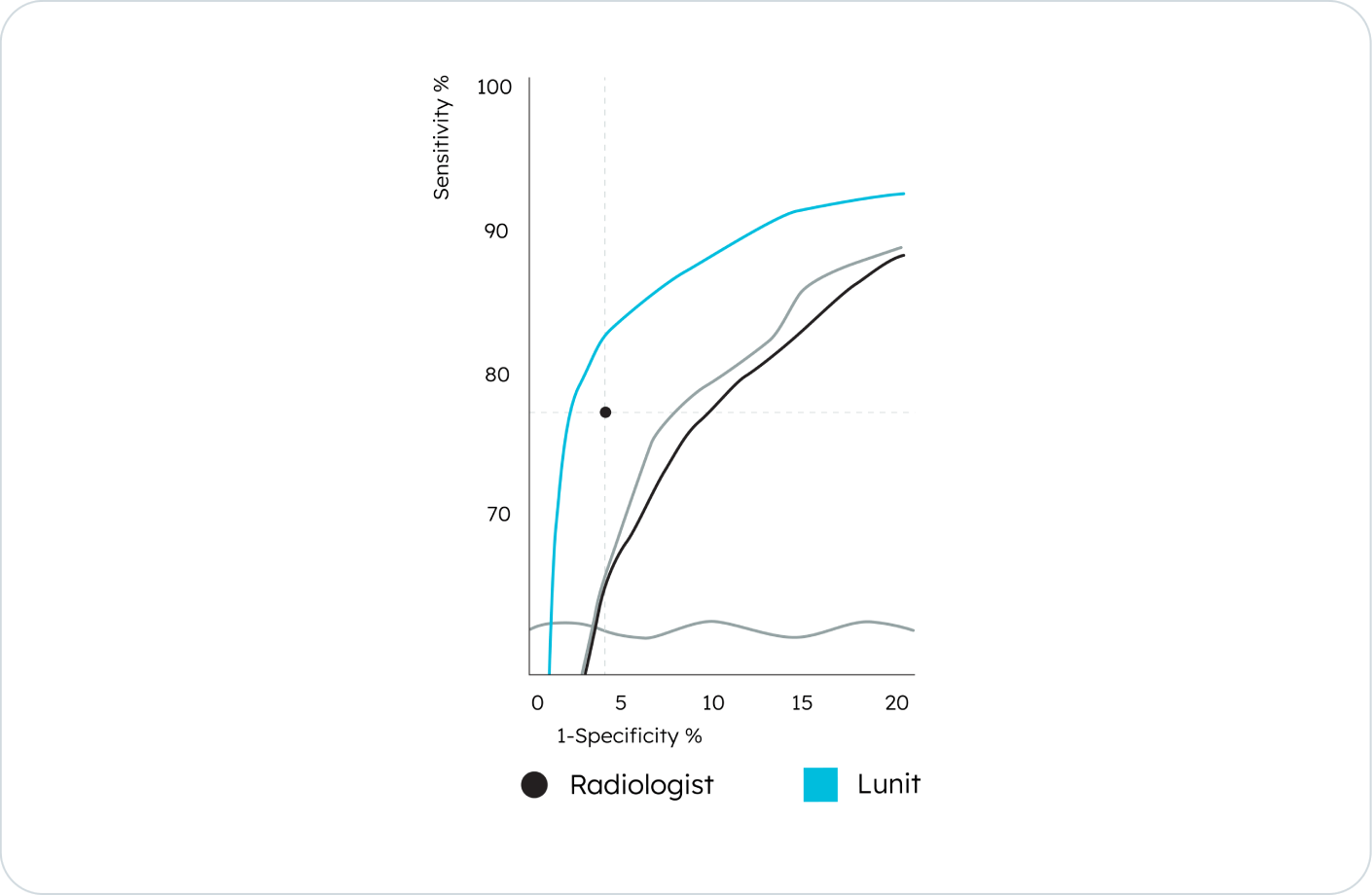
ROC graph comparing AI performance in mammography assessment

Strong performance in independent evaluation

An independent evaluation of three commercial AI algorithms found that Lunit achieved the highest accuracy, with a strong sensitivity–specificity balance for detecting malignant lesions.

Salim et al. JAMA Oncology. 2020;6(10):1581–1588.
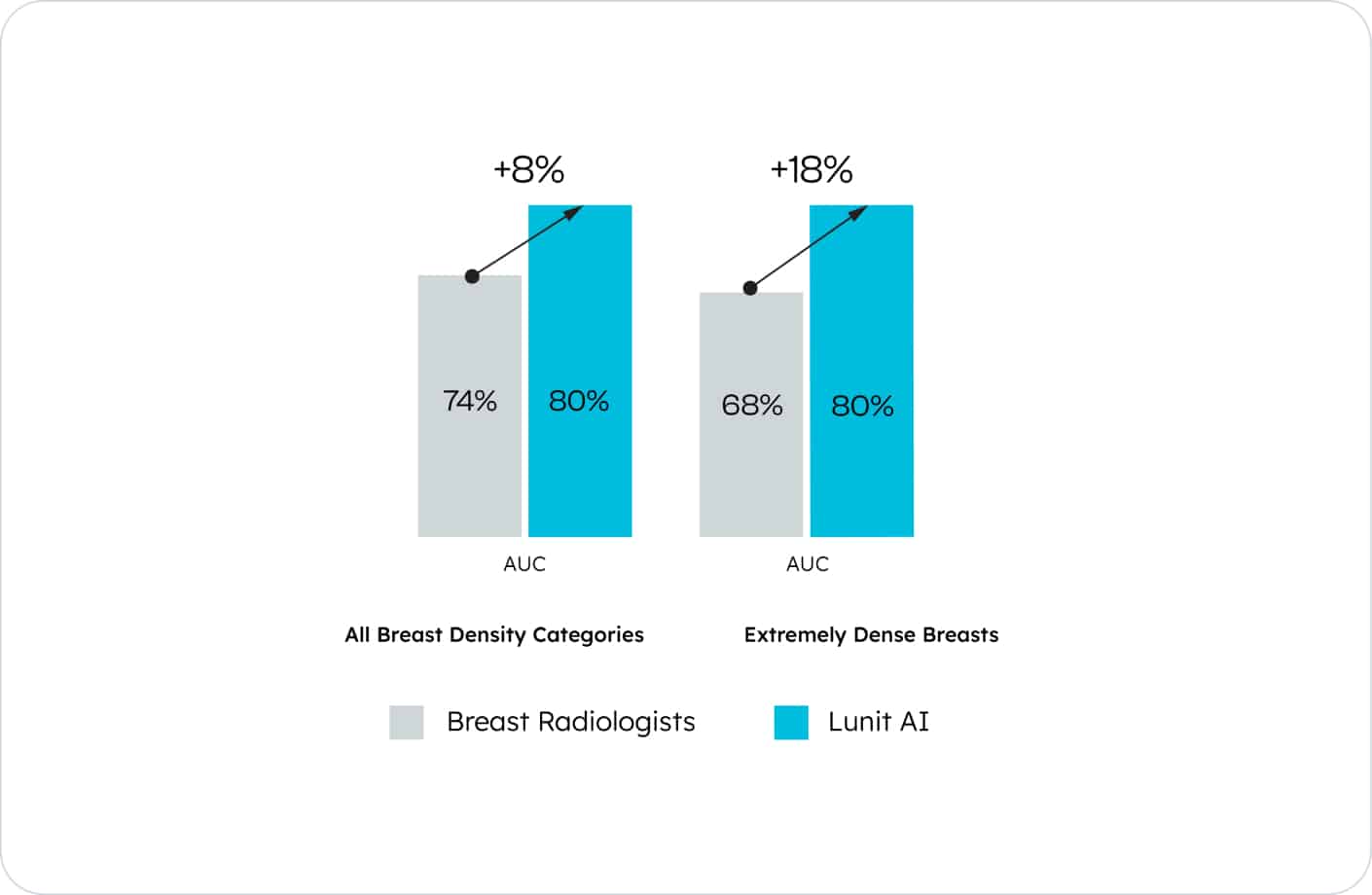
Breast Cancer Research · 2024

Mammography performance comparison across breast density categories

Improved performance across breast densities

The manufacturer’s study summary reports 18% higher accuracy in extremely dense breasts and 8% higher accuracy across all breast density categories.

Kwon et al. Breast Cancer Research. 2024;26:68.

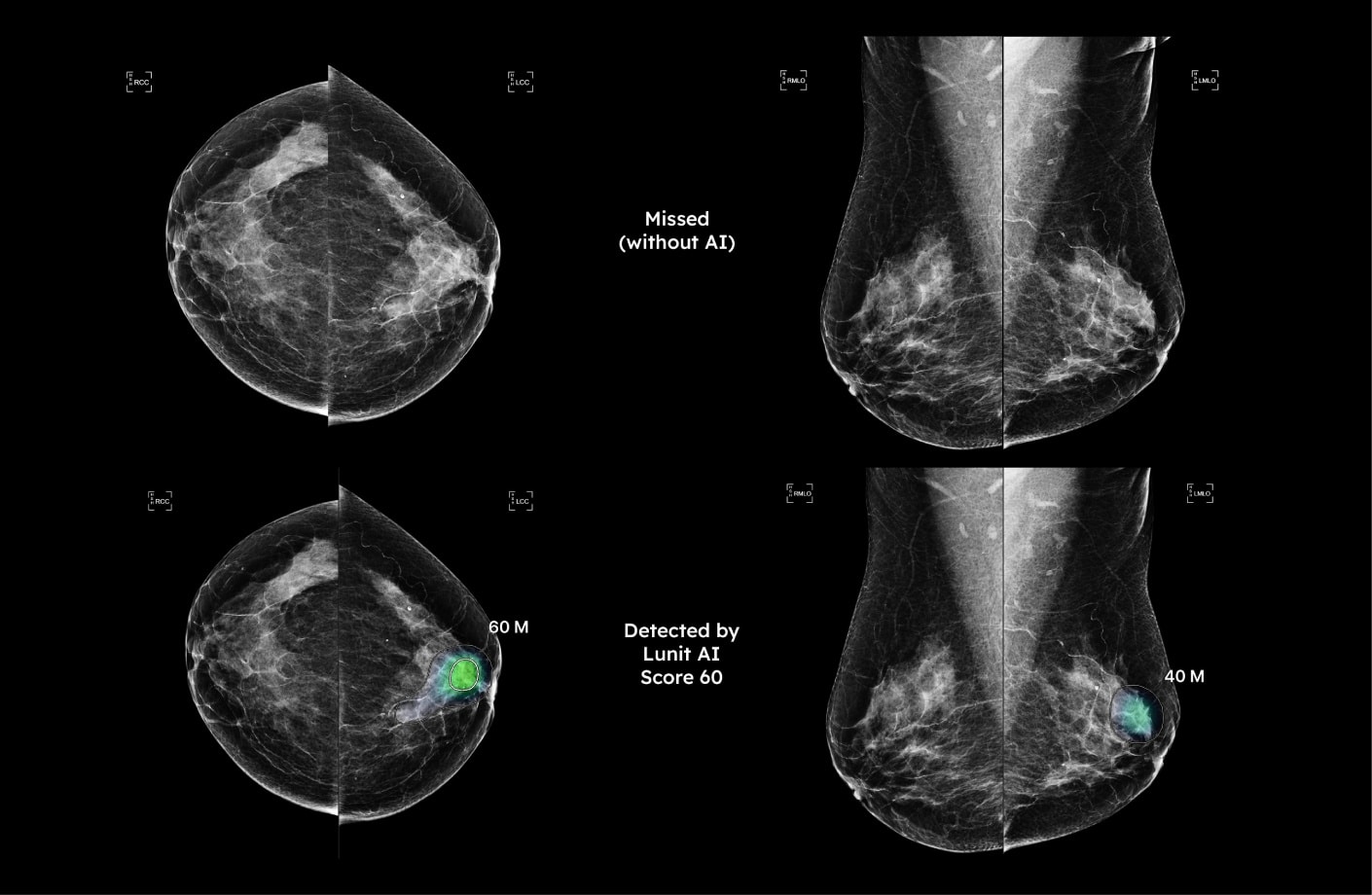
Clinical mammography example comparing original findings with Lunit AI highlights

Earlier detection

A second look at overlooked findings

In a retrospective review, Lunit INSIGHT MMG highlighted suspicious findings on a 2020 mammogram that had initially been overlooked. The patient was diagnosed in 2022, illustrating the potential for AI to support earlier recognition.

Up to 40% earlier-detection potential in the cited study.

Nanaa et al. Radiology. 2024. Study-specific findings.

Fewer unnecessary callbacks

Greater clarity for follow-up decisions

By supporting improved specificity, Lunit INSIGHT MMG can help reduce false positives and unnecessary callbacks. This supports confident interpretation, helps limit patient anxiety and reduces the follow-up burden on clinical teams.

Kwon et al. Breast Cancer Research. 2024;26:68.

Clinical mammography example showing dense breast tissue

Let’s talk mammography AI

Bring greater clarity to your screening workflow.

Explore how Lunit INSIGHT MMG can support accurate interpretation, help reduce unnecessary callbacks and bring AI insights into everyday mammography review.

Speak with an ARJ specialist

Discuss your workflow, integration needs and a product demonstration.

Frequently Asked Questions

No. The AI mammography software is trained to predict the likelihood that a lesion is cancerous, not its severity, clinical implications, or treatment outcome. While invasive cancers may receive higher scores than noninvasive ones, that is not always the case. If the AI is confident that a malignant lesion exists, it assigns the score accordingly, regardless of subtype.

Note: The scale is not linear (e.g., a score of 90 is not three times more suspicious than a score of 30).- polished version

The AI is trained to identify findings suspicious for malignancy. Benign findings, such as skin calcifications, are generally not highlighted unless they show suspicious features.

No. Lunit INSIGHT MMG does not learn or update itself during use. It is trained on biopsy-proven data obtained through formal collaboration agreements.

Images from commercial sites are retained only for the duration of processing and are not used for retraining. Each software version is independently validated to assess performance and help minimise bias.

Lunit INSIGHT is trained on images from a range of domestic and international equipment manufacturers. When images are acquired using appropriate protocols, no significant difference in accuracy has been observed between manufacturers.

Product Enquiry